
4 Tips for Maintaining Your Fireplace Safely
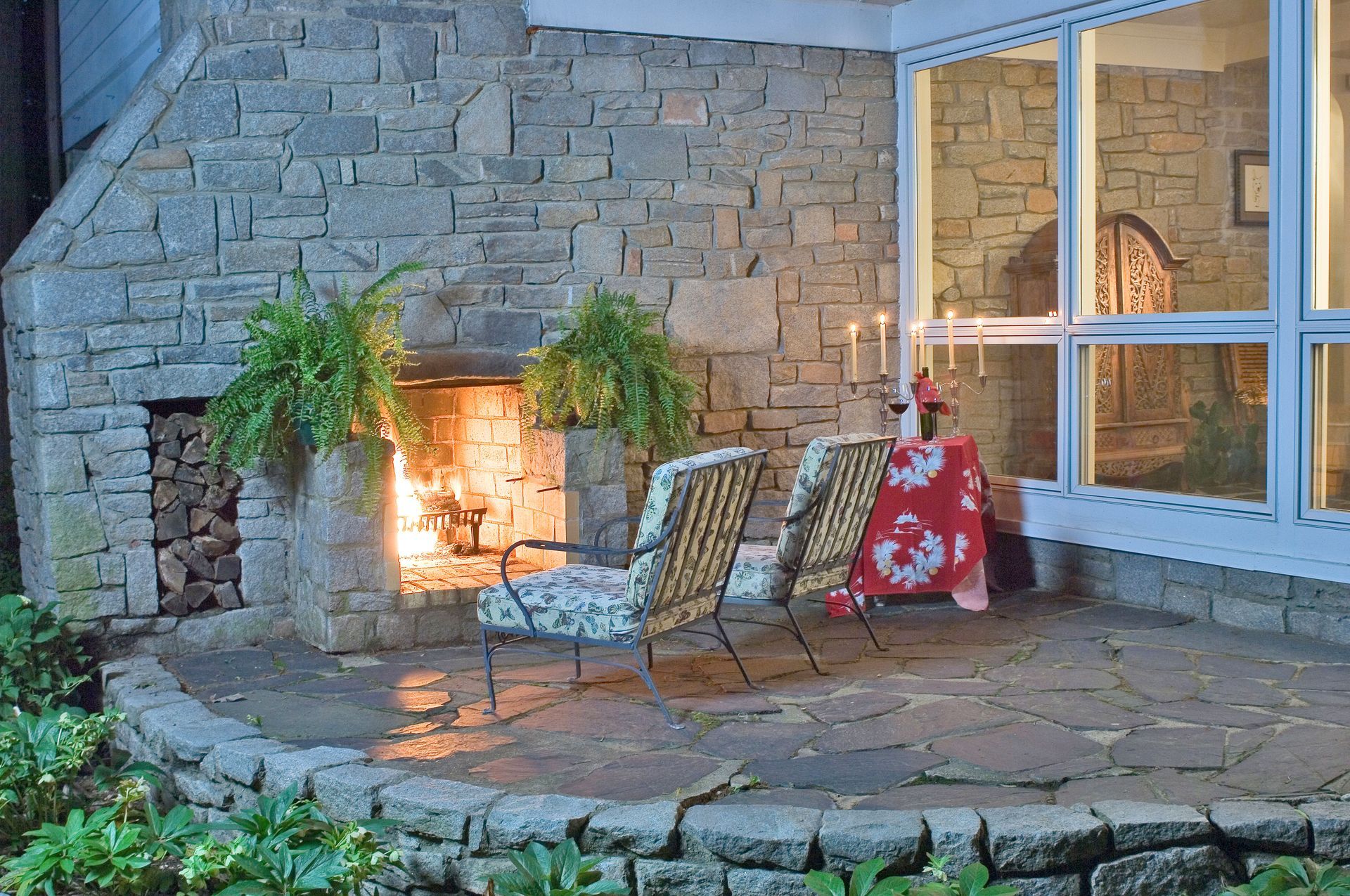
Gathering around a warm, crackling hearth on a chilly evening is one of the most comforting experiences a homeowner can enjoy. The flickering glow of a fire naturally turns any living room into an inviting sanctuary, providing a cozy space where family members can relax, read, or share stories after a long week. Beyond its practical heating value, a beautiful hearth serves as a striking architectural centerpiece that adds timeless charm and financial value to your residential property. However, keeping this wonderful feature operating safely requires a continuous, disciplined approach to home maintenance. Because burning wood produces intense heat, heavy smoke, and volatile chemical byproducts, your chimney and firebox face significant physical stress every time you light a match. Many homeowners fall into a passive routine, assuming that as long as the smoke goes up the flue, their system is perfectly fine.
Taking care of your heart does not mean you have to wait for a dangerous malfunction before giving it proper attention. Managing minor maintenance needs early is the absolute best way to protect your physical structures and ensure your family remains completely secure throughout the winter months. The risks of ignoring routine upkeep are starkly evident when looking at national home safety statistics. According to the EPA, three of every ten house fires caused by home heating are due to poorly maintained fireplaces and dirty chimneys. This serious finding highlights just how vital it is to stay on top of regular inspections and cleanings. Beyond scheduling professional sweepings, keeping your hearth safe involves choosing the right tools to manage the daily burning process. Utilizing the proper fireplace accessories protects your flooring from stray sparks and keeps your burning logs perfectly contained.
1. Scheduling Professional Annual Inspections
The first and most critical tip for keeping your hearth safe is scheduling a professional annual inspection before you light the very first fire of the season. Over months of regular use, a highly flammable, tar-like substance called creosote naturally builds up along the inner walls of your chimney flue. If this thick, dark residue is left unmanaged, it can easily ignite under high temperatures, causing a terrifying and destructive chimney fire that can quickly spread to your home's roof and framing.
When a licensed technician arrives to evaluate your system, they use specialized cameras and mirrors to check for hidden structural flaws, such as cracked flue tiles, deteriorating mortar joints, and dangerous blockages like bird nests or fallen leaves. They will also inspect your internal damper to verify that it opens and closes smoothly, ensuring that toxic combustion gases are funneled safely out of your home. Combining this expert technical inspection with the daily use of protective fireplace accessories establishes a powerful defense system for your living room, ensuring that every fire you light burns cleanly and safely without presenting any invisible threats to your household.
2. Cleaning Out Accumulated Ash
Another vital habit that directly improves your daily home safety involves systematically cleaning out accumulated ash and debris from the floor of your firebox after the wood burns down. While leaving a thin, one-inch layer of ash can sometimes help insulate the hot coals for your next fire, allowing thick mounds of old ash to build up restricts proper airflow, making it much harder to start a clean fire and causing excessive, irritating smoke to billow back into your living room.
To manage this chore safely and efficiently, you need to equip your hearth with a dedicated set of heavy-duty fireplace accessories designed specifically for ash management. A quality set of metal tools, including a sturdy shovel, a specialized hearth broom, and a double-walled steel ash bucket, allows you to scoop out cold debris without creating a dusty mess in your home. It is deeply important to remember that buried embers can remain hot enough to ignite a fire for several days after the flames die down. Utilizing proper, heat-resistant fireplace accessories to store these ashes guarantees that stray sparks are kept completely contained, protecting your family from unexpected smoldering hazards.
3. Burning Seasoned Hardwood Supplies
The specific type of wood you choose to put into your fire box plays a massive role in determining how clean and efficient your fire will be. Burning green, freshly cut wood or softwoods like pine is a major mistake, because these moisture-heavy logs burn at a very low temperature, producing an incredible amount of thick smoke and accelerating the dangerous buildup of creosote inside your chimney flue.
Instead, you should focus exclusively on burning seasoned hardwoods like oak, maple, ash, or hickory that have been split and dried for at least six months. Seasoned wood burns hot, clean, and predictably, giving you maximum heat output with very little smoke production. To keep these premium logs organized and dry right next to your hearth, you should invest in durable, heavy-metal fireplace accessories like an elevated log cradle or a decorative wood hoop. Storing your firewood on these specialized fireplace accessories keeps the logs off your finished floors, prevents moisture from trapping against your walls, and ensures you always have perfectly dry fuel ready to go.
4. Installing Protective Safety Barriers
When you are managing a live fire in an open room, you must take proactive structural steps to prevent popping embers and rolling logs from escaping the firebox and landing on your flammable rugs or hardwood flooring. A single hot coal popping out onto a carpet can start a serious house fire within a matter of minutes, turning a relaxing evening into a major home emergency.
Installing a high-quality mesh screen or a heavy glass door is one of the most effective ways to shield your living space from these unpredictable sparks. These protective safety barriers are essential fireplace accessories that form a physical wall between the open flames and a living room, keeping popping coals exactly where they belong. Furthermore, a heavy three-panel screen or a freestanding wrought-iron guard acts as a crucial barrier that keeps curious pets and young children at a safe distance away from hot glass and scorching stone.
The final, crucial step in maintaining a highly secure hearth environment involves utilizing a heavy-duty cast iron or steel grate to hold your firewood during the burning process. Tossing logs directly onto the flat stone floor of your firebox is a poor practice because it prevents oxygen from circulating beneath the wood, resulting in a smoldering, smoky fire that struggles to stay lit.
A well-designed log grate elevates your firewood off the floor, allowing fresh air to flow freely beneath the logs to feed the flames continuously. This structural lift is one of the most beneficial fireplace accessories you can add to your system, as it ensures a complete, efficient burn and reduces the amount of not burned logs left behind. Additionally, a quality grate features a curved, cradled design that naturally pulls rolling logs inward toward the center of the firebox as they burn down.
By taking immediate control of your home heating goals and placing your trust in an experienced team of local chimney specialists, you successfully protect your hard-earned assets and maximize your building's long-term market value. If you notice an uncomfortable amount of smoke in your living room, see a heavy layer of dark soot building up inside your flue, or are ready to upgrade your room with premium, high-performance tools, contact FireMaster Inc today to secure the elite
fireplace accessories your home transition deserves!



Share On: